
If you’re hoping a traffic camera caught your crash, here’s the honest answer first: in most of Texas, it probably didn’t save anything. TxDOT’s highway cameras stream live and don’t record, and Texas cities have been barred from running red-light cameras since 2019.
That doesn’t mean there’s no video of your accident. It means the footage most likely to exist is somewhere else, and some of it may be erased within days. Below is where crash video around Dallas actually comes from, and how to request each kind.
Do Texas Traffic Cameras Record?
TxDOT highway cameras
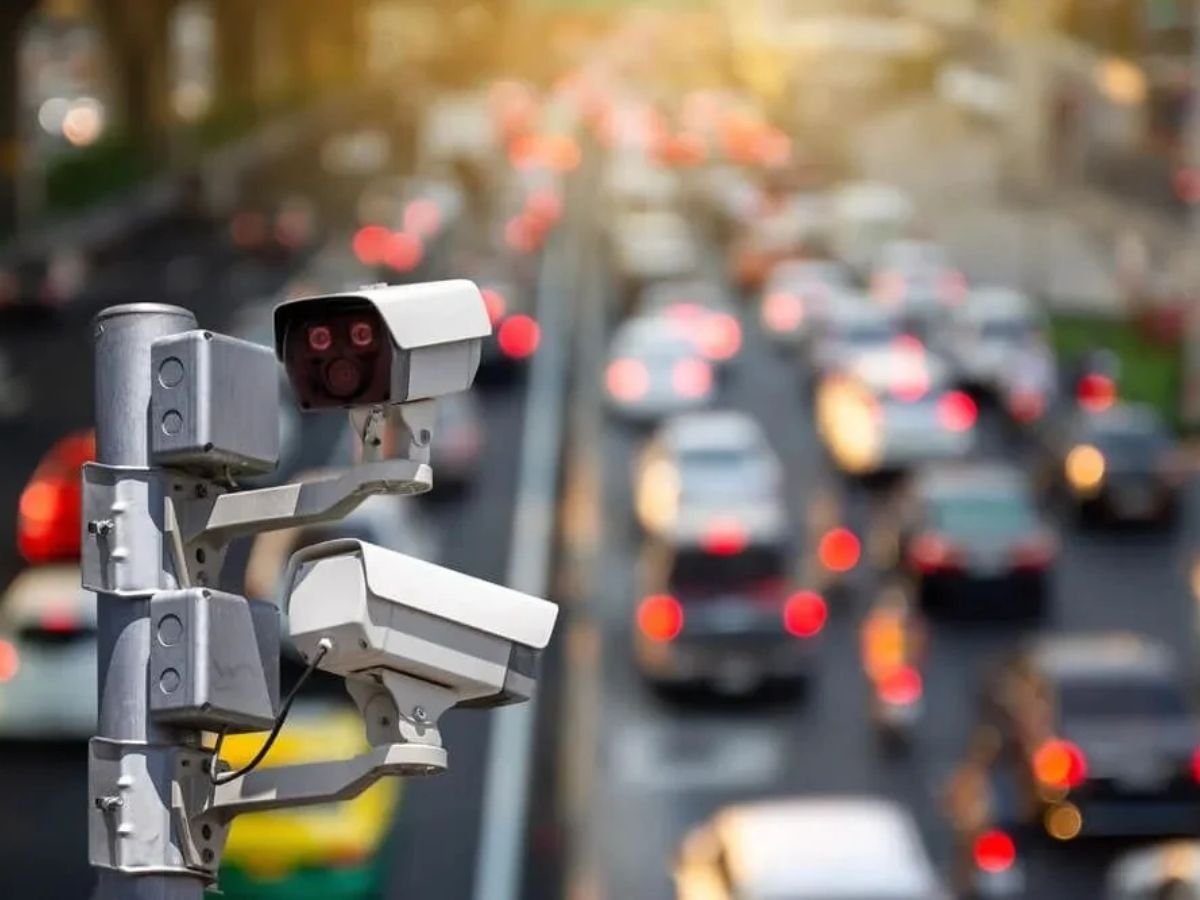
The cameras on poles along I-35E, I-30 and LBJ belong to the Texas Department of Transportation. Operators use them to spot stalled cars and wrecks in real time. TxDOT has said publicly that the feeds are not recorded or stored, so there is no archive to request.
The Dallas District alone had 746 of these cameras in 2025, according to NBC DFW. That year, lawmakers considered House Bill 2621, which would have required TxDOT to keep 30 days of video. It passed the House but stalled in the Senate. Even that version would have kept the recordings out of public records requests.
Red-light cameras
House Bill 1631 prohibits local authorities from operating red-light cameras. The ticketing cameras that used to sit at Dallas intersections are no longer a source of crash evidence.
City of Dallas traffic cameras
The City of Dallas Department of Transportation and Dallas Police monitor closed-circuit cameras at some intersections. Whether a given camera saved video, and for how long, isn’t something the city publishes in one place.
It also helps to know that many boxes on signal arms aren’t cameras at all. Some detect waiting cars; others let fire trucks and ambulances turn the light green. If a city camera may have faced your crash, a records request is worth filing. Just don’t make it your only plan.
Where Crash Footage Usually Comes From
| Source | Usually recorded? | How to request it |
|---|---|---|
| Police dash and body cameras | Yes, if officers responded | Public records request to the police department |
| Nearby businesses (gas stations, stores, restaurants) | Often, on a loop that overwrites | Ask the manager in person, a lawyer can follow up formally |
| Home doorbell and security cameras | Often | Ask the homeowner directly |
| Dashcams in other cars, rideshares or company vehicles | If installed | Ask drivers and witnesses; a lawyer can pursue fleet video |
| City of Dallas intersection cameras | Sometimes | Dallas Open Records Center |
| TxDOT highway cameras | No | Nothing to request |
How to Request Footage From a Texas Government Agency
Video held by a city, county or police department falls under the Texas Public Information Act, although some of it can be withheld. In Dallas, requests go through the city’s online Open Records Center, which routes them to the right department, including Dallas Police.
What to include in your request
- The date and a tight time window, such as 5:40 to 6:10 p.m.
- The exact location: intersection, direction of travel, nearest address
- Your crash report number, if you have one
- The vehicles involved, by make and color
- A request for a digital copy, and that the video be kept while your request is processed
Keep it narrow. A request for “all video on Mockingbird Lane that week” invites a clarification letter, and the response clock generally pauses while the agency waits for your answer. While you’re at it, order your official crash report, which our guide on what to do after a car accident in Texas explains.
Police dash camera and body camera video
Body camera requests have extra legal requirements. Texas Occupations Code §1701.661 requires the date and approximate time, the specific location, and the name of at least one person who was recorded. That person can be you, but not the officer. Leave one out and the department can decline the request.
Video tied to an open criminal case, such as a DWI or a hit-and-run investigation, may be withheld until that case is resolved.
What happens after you submit
Within 10 business days, the agency must either release the records, tell you when they’ll be ready, or ask the Texas Attorney General for permission to withhold them. Video usually takes longer than paperwork because it has to be reviewed and redacted, and fees may apply. With police video, waiting months is not unusual.
Getting Video From Businesses, Homes and Other Drivers
Private camera owners aren’t covered by the Public Information Act, and they don’t have to give you anything. Many will help if you ask politely and specifically.
Go in person and ask for a manager. Give the exact time, ask them to save or export the clip, and write down who you spoke with. Note which way the camera points, too; a camera aimed at the gas pumps may still catch the street.
Commercial vehicles are worth special attention. Trucks, delivery vans and rideshare cars often carry forward-facing or driver-facing cameras. That video belongs to the company, and companies don’t usually hand it over just because you asked.
When an owner refuses, a lawyer can send a preservation letter and, once a lawsuit is filed, subpoena the video. If the owner is a party to the claim, such as the other driver’s employer, Texas courts can penalize it for destroying evidence it had a duty to keep.
Why the First Few Days Matter
Many private systems record over themselves on a rolling schedule, sometimes within days. If you’re injured, ask a family member or friend to do the legwork.
- Photograph every camera visible from the crash site.
- Visit nearby businesses and homes as soon as you can.
- Ask witnesses and the other drivers whether they had a dashcam running.
- Get the crash report number from the responding agency.
- Submit any public records requests that same week.
When It Makes Sense to Bring in a Lawyer
You can file public records requests yourself, and for a minor fender bender that may be all you need. Legal help becomes more useful when fault is disputed, injuries are serious, a commercial vehicle was involved, the other driver fled, or a business won’t cooperate.
A Dallas car accident lawyer can send preservation letters quickly, use subpoenas once a case is filed, and fill the gaps when no video exists, with witness statements, vehicle data and scene evidence.
FAQs
Can I get TxDOT traffic camera footage of my accident? No. TxDOT’s cameras are live-view only and don’t keep recordings, so there is nothing to request.
Do I need a lawyer to request traffic camera footage? No. Anyone can file a Public Information Act request. A lawyer helps most when private owners refuse or fault is contested.
How long is camera footage kept? There’s no single rule. It depends on who owns the camera and how it’s set up, so treat every source as if it could disappear this week.
Not sure what evidence still exists from your crash? Lozano & Khan represents injured people and families throughout Dallas-Fort Worth. Request a free case review to discuss your circumstances with our legal team.