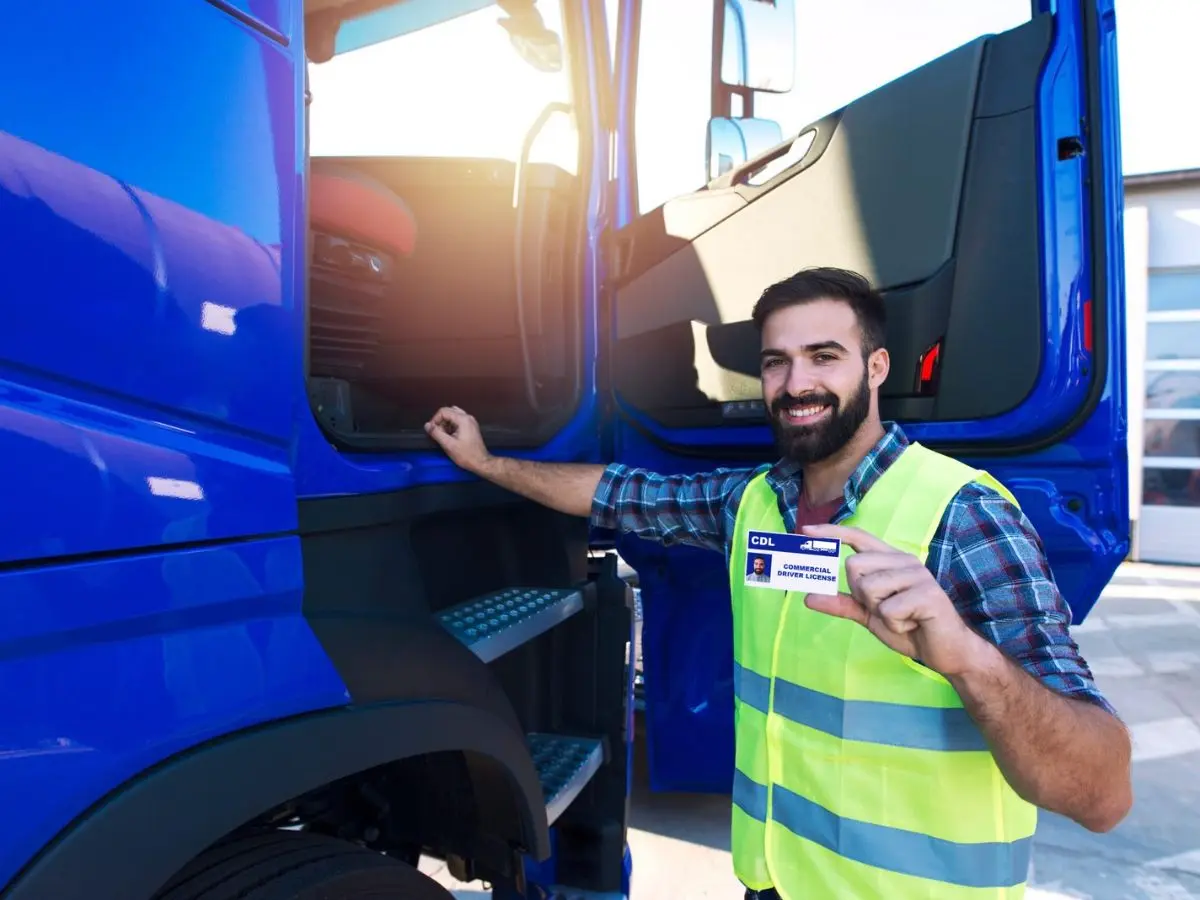

Most people never think about the word “commercial” on a driver’s license until a box truck, a delivery van, or a big motorhome enters their life. Then the question feels urgent, and the answers online can be confusing. What surprises most people is that the license depends on the vehicle more than on why they’re driving it. Here’s how the two license types differ, including the Texas details that national explanations often leave out.
The short answer
A non-commercial license covers everyday driving in cars, SUVs, pickups, and most vans. A commercial driver’s license, or CDL, is required for certain larger or specialized vehicles, but only when they’re used to carry people or goods in commerce. Texas issues both types through the Department of Public Safety (DPS).
How federal law defines a commercial vehicle
Federal law sorts vehicles using three triggers. A vehicle counts as a commercial motor vehicle if its gross vehicle weight rating (GVWR), or the combined rating for a rig, is 26,001 pounds or more. It also counts if it’s designed to carry 16 or more people, including the driver, or if it carries hazardous materials that require placards. The statute adds one more condition: the vehicle has to be used to transport passengers or property in commerce.
That last condition is why size alone doesn’t settle the question for someone driving for personal reasons. It’s also why the same vehicle can require a license in one situation and not in another.
Texas’s non-commercial classes
Texas uses letter classes for non-commercial licenses. Class C is the one most drivers hold. It covers single vehicles and combinations that don’t fall into Class A or B, as long as the vehicle is designed for 23 or fewer passengers, including the driver.
Class B covers a single vehicle rated at 26,001 pounds or more, and it covers buses seating 24 or more. Class A covers any single vehicle rated at 26,001 pounds or more, and combinations with a combined rating of 26,001 pounds or more when the towed unit is over 10,000 pounds. Motorcycles fall under Class M, which is separate from all of these.
Towing is where many people get tripped up. Imagine a pickup with a combined rating under 26,001 pounds pulling a 12,000-pound trailer. That’s a hypothetical, but the combined rating is what counts, so the setup may still fall under Class C. Change the numbers, and the answer can change with them.
The personal-driver trap
A non-CDL license doesn’t mean you can drive anything. DPS notes that some people exempt from CDL requirements may still need a Class A or B license when the vehicle meets the weight rule for those classes. The exemptions include certain farmers, fire-fighting and emergency vehicle operators, and military drivers, along with recreational vehicle operators driving for personal use.
Here’s another hypothetical. Someone buys a motorhome rated above 26,000 pounds for a family road trip. Driving it personally doesn’t make it a CDL situation. In Texas, though, it may still call for a non-commercial Class B license. Whether it does depends on the rating and the exemption rules, so check with DPS before you hit the road.
What a CDL covers
Texas CDLs come in three classes. A Class A CDL covers combination vehicles with a combined rating of 26,001 pounds or more, where the towed unit is over 10,000 pounds. Think tractor-trailers.
A Class B CDL covers single vehicles rated at 26,001 pounds or more, including one towing a vehicle up to 10,000 pounds, plus vehicles built for 24 or more passengers. A Class C CDL covers vehicles designed for 16 to 23 passengers, including the driver, and vehicles that carry hazardous materials requiring placards.
A CDL holder can generally drive the class they hold, the lesser classes, and their personal vehicle. Motorcycles and mopeds are the exception. A CDL is an added credential, not a replacement for your regular license.
Endorsements and restrictions
A CDL can carry endorsements that authorize specific kinds of work. Common examples include tank vehicles, hazardous materials, passenger transport, and school buses, and some are combined on one license. Endorsements matter because a CDL alone doesn’t cover every specialized operation.
Restrictions work in the other direction. They limit what a driver may operate. An E restriction, for example, means the driver is limited to vehicles with automatic transmissions. Restrictions appear as codes on the license, so a driver should check the back of their license if they’re unsure what it allows.
The Class C naming problem
Here’s a source of confusion worth clearing up. A Texas non-commercial Class C is the everyday license. A CDL Class C is a different credential for 16 to 23 passengers or placarded hazardous materials. The letter is the same, but the meaning is not.
Some websites, training ads, and even other states’ licensing systems blur this. When you read about a “Class C,” check whether it refers to a standard license or to a CDL.
Getting a CDL in Texas
Before you can apply for a CDL, you need a valid Texas driver’s license. DPS also requires you to hold a commercial learner’s permit (CLP) for at least 14 days before you apply for the CDL itself. For first-time Class A and Class B applicants, federal rules generally require Entry-Level Driver Training from a provider listed on the FMCSA registry. You’ll also pass knowledge and skills tests and meet medical certification requirements.
Age rules are another point to confirm. They can differ depending on whether you drive only inside Texas or across state lines, so check current thresholds with DPS before you plan a job around them.
Why the difference matters after a crash
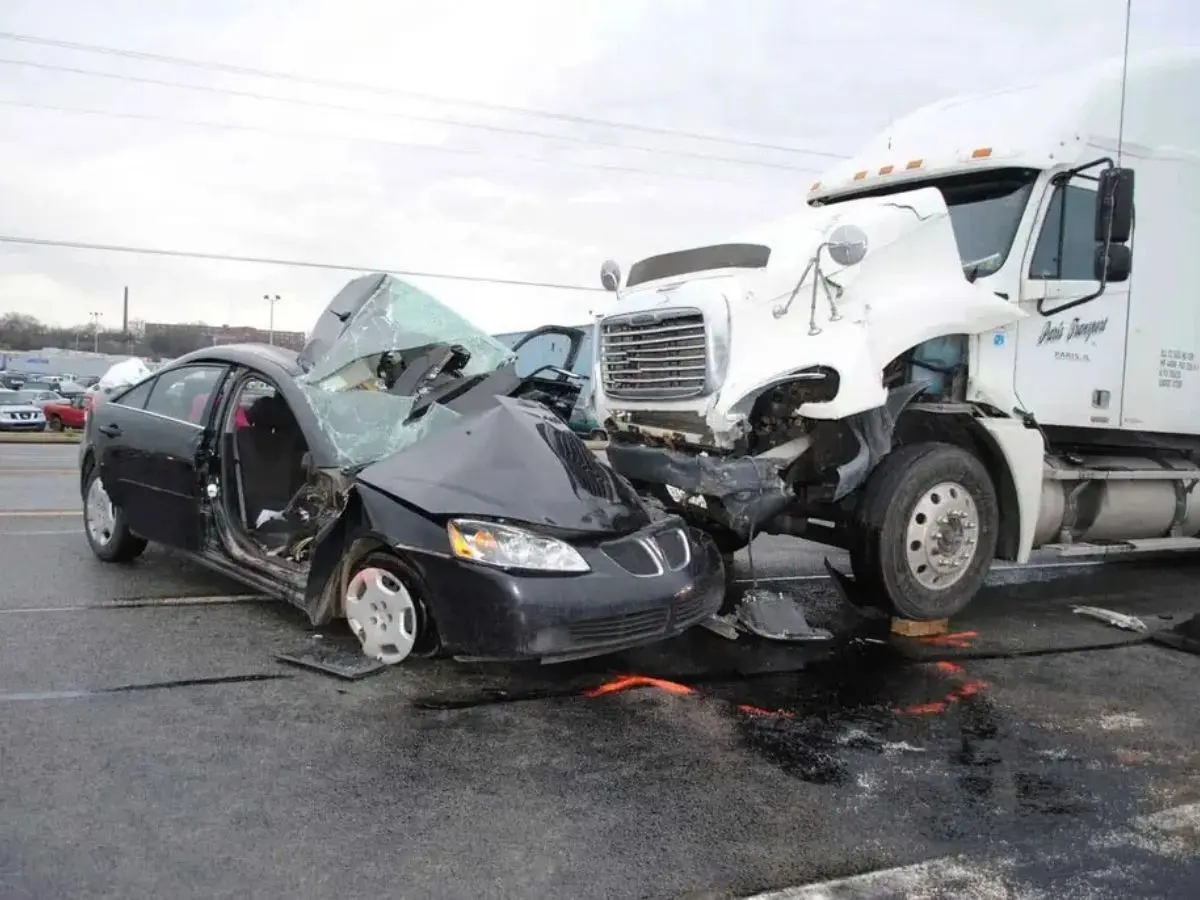
Most drivers will never need a CDL, but most of us share the road with large trucks. If you’re hurt in a crash involving a commercial vehicle, the driver’s license class is only one question. Several parties can be involved, including the driver, the carrier, the vehicle owner or lessor, and sometimes a cargo loader or maintenance contractor. Federal and state rules on driver qualifications, hours of service, vehicle maintenance, and cargo securement can all become part of the picture.
Evidence is often the most time-sensitive part. Electronic logs, maintenance records, and dispatch communications can be overwritten or lost if nobody asks for them early.
Timing matters too. Texas generally gives injury claims a two-year window, but there are exceptions, so don’t treat that number as a deadline you can count on.
If you were hurt in a truck or commercial vehicle crash in the Dallas area, a personal injury attorney can review the facts and request records a trucking company may hold. Lozano & Khan offers free consultations, and its truck accident page explains how those cases typically work. Reading the page doesn’t create an attorney-client relationship, so talk with a lawyer about your specific situation.
Quick checks before you assume
- Check the rated weight. The GVWR is on the manufacturer’s label, usually on the driver’s door frame. It’s not the curb weight.
- Count the passengers, including the driver.
- Look for placards. Hazardous materials are a separate trigger, even on smaller vehicles.
- Ask whether the vehicle is used in commerce, since the federal definition depends on it.
- Confirm current rules with DPS. Classes and exemptions change, and the official page is the best starting point.
Common questions
Can I drive my own car with a CDL? Generally yes. A CDL holder can usually drive their personal vehicle, though motorcycles and mopeds are excluded.
Do I need a CDL to drive a box truck? It depends on the rating and passenger count. Many box trucks are rated under 26,001 pounds, but the label on the vehicle is the place to check.
Does a regular Texas license cover a pickup pulling a trailer? Often, yes, but the combined rating and the trailer’s weight decide it. Check both before you tow.