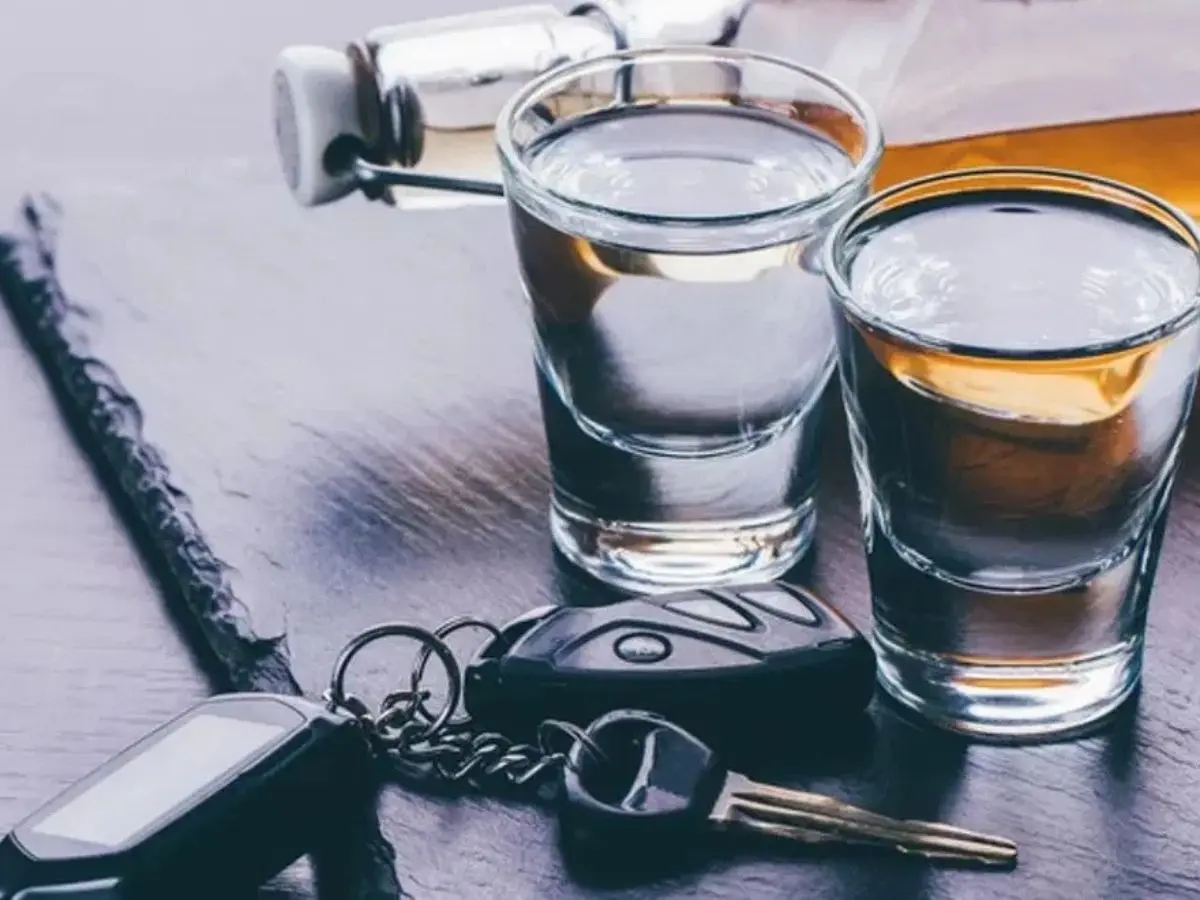

DUI, DWI, and DWAI all describe impaired driving, but they differ by state and by how impaired the driver was.
DUI is the broad term most states use. DWI usually means a blood alcohol concentration (BAC) of 0.08% or higher. DWAI, used in New York and Colorado, covers impairment below that limit.
Here’s how DUI vs DWAI and DWI compare, whether you’re facing a charge or need a Dallas Car Accident Lawyer after a crash.
Understanding the Terms: DUI, DWI, and DWAI
States use different legal terminology for impaired driving, which is why these acronyms get mixed up, even in claims a Personal Injury Lawyer McKinney handles. The real distinction is the degree of impairment and the driver’s BAC, not just the label.
So what is the difference between DUI and DWAI? In New York:
- DUI isn’t a separate charge. It works as an umbrella term for driving impaired by alcohol or drugs.
- DWAI is the lowest-level charge under the Vehicle and Traffic Law.
- DWI sits above it and signals a higher BAC or clear intoxication.
What Is a DUI?
DUI stands for Driving Under the Influence. It’s the most widely used term and covers impairment from alcohol, illegal drugs, marijuana, or even prescription and over-the-counter medication.
In most states, a BAC of 0.08% or higher triggers a DUI, while commercial drivers face a 0.04% limit.
Some states go further. Arizona can charge drivers impaired to the slightest degree, even below the legal limit. In California and Florida, DUI is the only term used for every impaired driving case.
What Is a DWI?
DWI usually stands for Driving While Intoxicated, though Minnesota uses it to mean Driving While Impaired. About 10 states use the term, including Texas, New Jersey, and Missouri.
How New York Charges DWI
In New York, a DWI per se charge under VTL 1192(2) applies when your BAC is 0.08% or higher, whether or not you act drunk.
A Common Law DWI under VTL 1192(3) can apply at any BAC if the officer can prove intoxication.
Either way, DWI is a misdemeanor in New York. Maryland flips this and treats DWI as the lesser charge.
What Is DWAI?
What does DWAI stand for? DWAI stands for Driving While Ability Impaired. New York and Colorado use it for drivers who are impaired but have a BAC below 0.08%.
In New York, a DWAI under VTL 1192(1) is the least serious drunk driving charge. It’s a non-criminal violation, adds no points to your license, and doesn’t require an ignition interlock device.
Separate DWAI-drugs and DWAI-combination charges cover impairment by drugs, or by drugs and alcohol together, and those carry heavier criminal penalties.
DUI and DWI Laws Vary by State
Most states enforce three types of impaired driving laws:
- Per se laws ban driving at or above the legal BAC limit.
- Impairment-based laws ban driving while noticeably impaired, at any BAC.
- Zero-tolerance laws bar drivers under 21 from having any detectable alcohol.
BAC Limits and Names Differ
The limits differ too. Most states use 0.08%, but Utah sets its limit at 0.05%.
Even the names change: Wisconsin, Iowa, and Michigan use OWI, while Massachusetts and Maine use OUI. That’s why DWI vs DWAI only matters in states that use both terms.
DWI vs. DUI Penalties
Penalties depend on the state and the offense.
Common Penalties
Most DUI and DWI convictions bring fines, license suspension, community service, alcohol or drug education programs, and often an ignition interlock device.
New York Example
In New York, a first DWI carries a $500 to $1,000 fine and a license revocation of at least six months. Refusing a chemical test brings a $500 civil penalty and a one-year revocation.
Aggravating Factors
Aggravating factors can lead to jail time and vehicle impoundment. These include a prior conviction, a high BAC, a child in the car, or a crash with injuries.
If you caused that crash, learn what happens after a car accident that is your fault. Some states also require SR-22 insurance proof.
Which Is Worse: DUI or DWI?
It depends on your state. In New York, DWI is the more serious charge and DWAI is the lesser one.
On DWAI vs DWI there, a DWAI is a non-criminal violation. A DWI is a misdemeanor with higher fines, longer revocation, and a required ignition interlock.
That’s why defense attorneys often try to get a DWI reduced to a DWAI.
Maryland works the other way and treats DUI as the more serious charge for higher BAC levels. In states like California, DUI is the only charge, so there’s nothing to compare.
DWI vs. DUI FAQs
Here are quick answers to two questions drivers often ask about DUI and DWI charges.
What Substances Can You Get a DUI For?
You can get a DUI for any substance that impairs your ability to drive safely. That includes alcohol, illegal drugs like heroin, marijuana, and inhalants.
Legal medications count too. Prescription painkillers such as oxycodone and hydrocodone, along with some over-the-counter drugs, can be just as impairing as alcohol.
In Arizona, driving with any amount of an illegal drug or its metabolite in your system can also lead to a DUI.
Is a DUI a Felony?
A DUI is usually a misdemeanor, but it can become a felony. The most common triggers are repeat offenses and crashes that cause serious injury or death.
In New York, a second DWI within ten years is charged as a felony and can mean state prison time.
Under Leandra’s Law, driving with a BAC of 0.08% or higher with a passenger aged 15 or younger is also a felony.
Three or more alcohol- or drug-related convictions or refusals within 10 years can lead to permanent license revocation.