
After a car accident that is your fault, your liability insurance pays the other driver’s damages, such as medical bills, lost wages and car repairs, up to your policy limits.
Your insurance premiums will likely rise at renewal. If the losses exceed your coverage, you could face a lawsuit, where a Dallas Car Accident Lawyer can help.
Here’s how fault is decided, what an at-fault driver pays, and how to protect yourself.
How Is Fault Determined in a Car Accident?
Fault comes down to negligence: the driver who failed to drive with reasonable care caused the crash.
The police investigation
Police start the process. They interview drivers and witnesses and may issue citations for traffic law violations like speeding or failing to yield. Their police report carries real weight.
The insurance investigation
Each insurance adjuster then runs a separate investigation, reviewing photos, damage patterns and witness statements. In serious or disputed crashes, an expert may handle accident reconstruction.
An insurer’s finding isn’t final, though. It can be challenged, often with help from Dallas Personal Injury Lawyers, when the evidence tells a different story.
Liability for Damages
What happens if I’m at fault in a car accident? You become responsible for the other side’s property damage, medical expenses, lost wages and pain and suffering.
Does insurance cover accidents that are your fault? Yes, up to your policy limits.
How coverage works by state
So how does car insurance work when you are at fault?
- In a fault-based state: your liability coverage pays the other side, and your collision coverage, if you carry it, repairs your own car.
- In a no-fault state: each driver’s personal injury protection (PIP) pays their own medical bills first.
Costs above your limits come out of your pocket.
Increased Insurance Premiums
If a car accident is your fault, what happens to your rates? They almost always rise at your next policy renewal, because insurers now see you as a higher-risk driver.
Nolo cites a Forbes Advisor analysis that found an average 41% increase for drivers with clean records who caused a crash.
What affects the increase
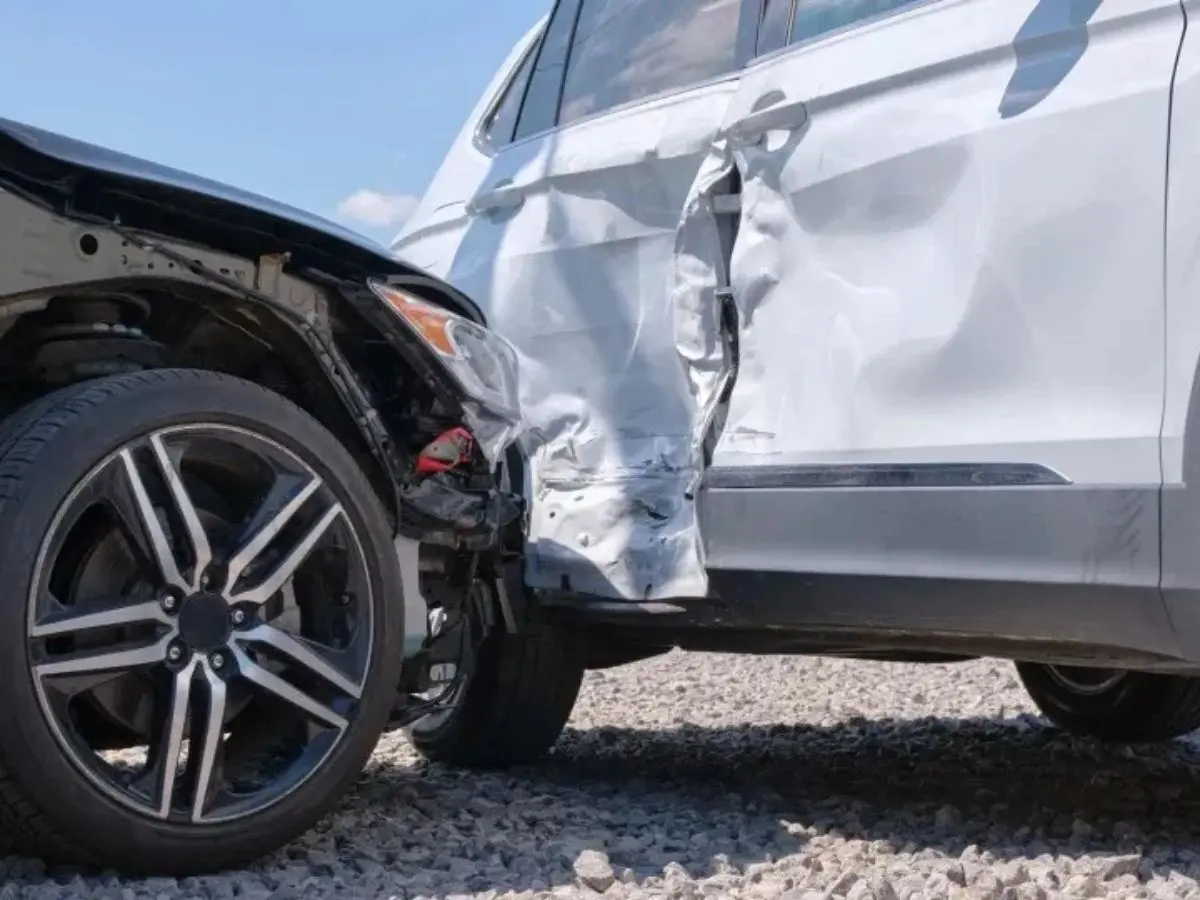
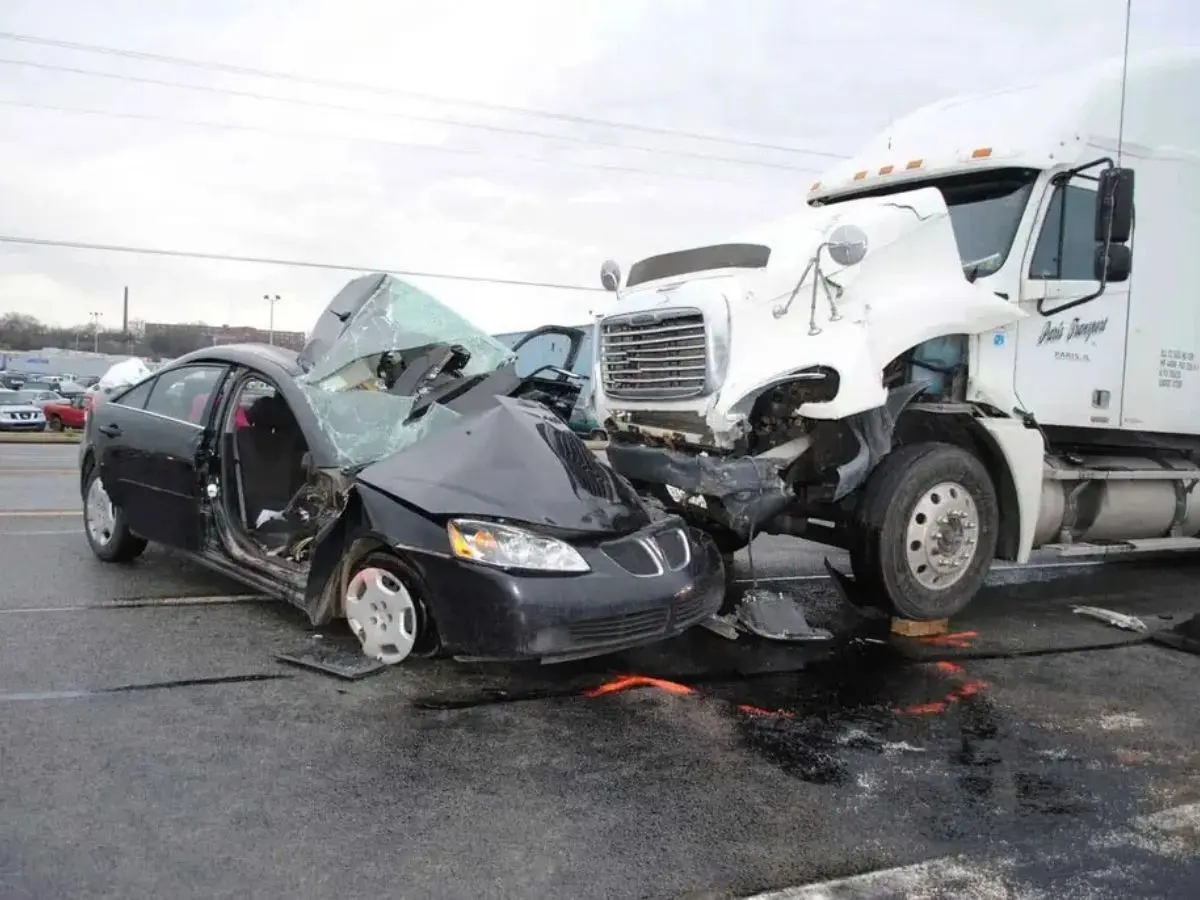
The size of the jump depends on accident severity and how much your insurer paid out. A parking-lot scrape costs far less than a serious T-bone collision.
You may also lose safe driver discounts. Expect higher premiums for about three to five years.
Loss of Coverage or Policy Non-Renewal
A severe at-fault accident can cost you more than higher rates.
Some insurers choose non-renewal at the end of your term, especially after a large claim involving serious injuries or several claims on your driving record. Others adjust your policy terms instead.
If you’re dropped, finding a new insurer gets harder. You may need high-risk auto insurance, which carries much steeper premiums.
Keeping a clean driving record afterward is the fastest route back to standard coverage.
Steps to Take After an At-Fault Accident
Knowing what to do after an accident that is your fault protects you legally and financially.
- Check for injuries and call 911 if anyone is hurt.
- Call the police. Many states require it when there are injuries or property damage over a set amount, often $500 to $1,000.
- Photograph the accident scene, vehicle damage, skid marks and nearby traffic signs.
- Exchange insurance details with the other driver and collect witness contact information.
- Check whether your state requires a separate accident report with the DMV or local police. For Texas drivers, see what to do after a car accident legally in Texas.
Don’t Admit Fault
Even if you believe the crash was your fault, don’t say so at the scene.
You rarely have the full picture in those first chaotic minutes, and insurers can treat a simple “I’m sorry” as an admission of fault.
Stay calm and polite, but avoid discussing blame with the other driver or bystanders.
When police ask what happened, give an honest, factual account without guessing about fault. Leave the liability determination to officers and insurance adjusters.
Report the Accident to Your Insurance Company
Call your auto insurance company as soon as possible, ideally within a day or two of the crash. If you’re injured, ask someone to call for you.
Why timing matters
Your policy includes a cooperation clause, which requires you to report accidents promptly and help with the claim.
Delays can give your insurer grounds for denial of coverage, leaving you to pay the other driver’s claim yourself.
Share the facts, your photos and the police report number, then let your claims adjuster handle the other side.
How Comparative Negligence Rules Affect Your Claim
An at fault accident isn’t always 100% one driver’s fault, especially in multi-vehicle crashes.
Most states use comparative negligence, which assigns each driver a percentage of fault and reduces their damages by that share.
Example of how fault reduces recovery
Under modified rules, such as Texas’s 51% bar, you recover nothing once you’re found mostly at fault.
For example, if you’re 25% at fault with $80,000 in damages, you’d receive $60,000.
A few states follow contributory negligence, where even 1% of fault blocks recovery entirely.
Potential Lawsuits
If you’re at fault in an accident, what happens when the other driver files a personal injury lawsuit?
Your liability insurer typically covers legal defense costs and pays any settlement or judgment up to your policy limits.
When you can be personally liable
The risk comes with serious injuries. State minimums are often low; Texas requires only 30/60/25 coverage. A large verdict can leave you personally liable for the difference.
If the crash involved a DUI or reckless driving, you could also face criminal charges, including fines, license suspension or jail time.
How Can a Car Accident Lawyer Help If I’m at Fault?
A car accident lawyer protects you when fault and money are on the line.
They can push back if the other insurer inflates your share of fault, guide you through the insurance claims process, and handle settlement negotiations.
If you’re sued, your insurer usually assigns a defense attorney. Hiring your own adds protection when damages may exceed your limits.
Uninsured drivers must find a lawyer on their own. Many firms offer a free consultation, so getting advice early costs little.