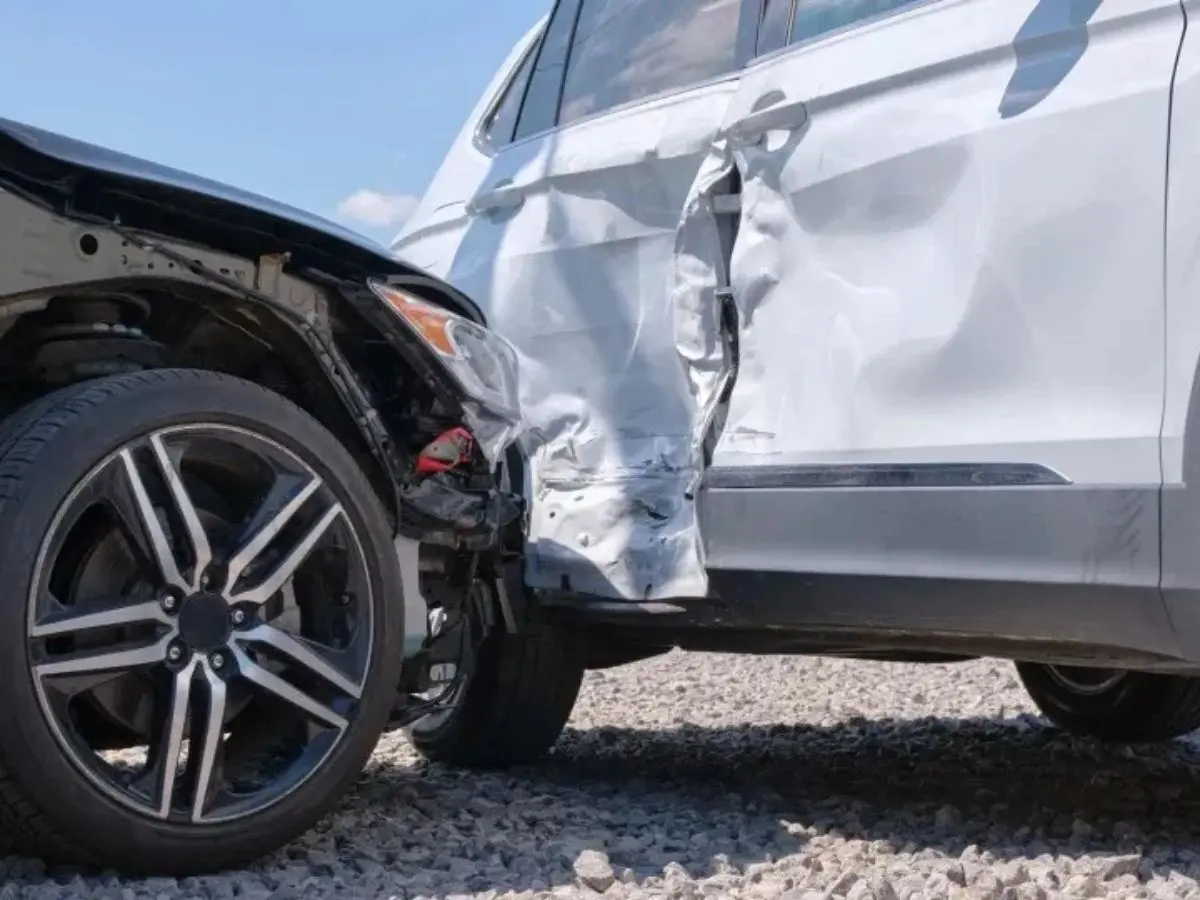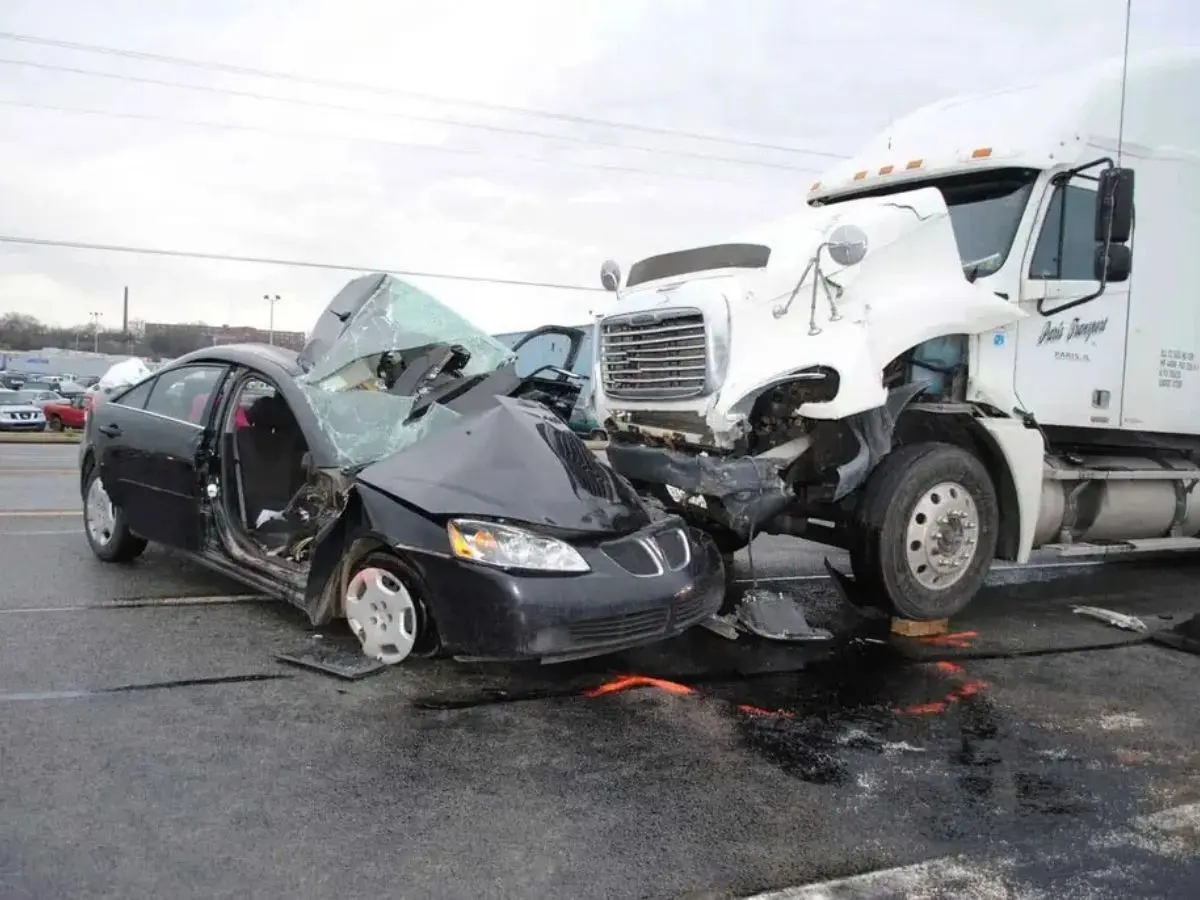

Yes, you can sue a trucking company if its negligence, or its driver’s, caused your injuries. Under vicarious liability, employers answer for drivers acting within the scope of employment.
A truck accident lawsuit is often more complex than a car crash claim, involving FMCSA rules, black box data, and multiple liable parties.
Below, a Dallas Truck Accident Lawyer answers “can I sue a trucking company,” covering who’s responsible and what you can recover.
When Can You Sue a Trucking Company?
You can sue a trucking company when the company, or a driver acting within the scope of employment, caused the crash through negligence.
Through vicarious liability, employers are held responsible for their drivers’ on-the-job mistakes. The company can also be directly at fault for:
- Negligent hiring, such as employing a driver without a valid commercial driver’s license (CDL)
- Improper vehicle maintenance, like ignoring worn brakes or tires
- Violating FMCSA hours-of-service rules or pushing drivers to falsify logs
- Inadequate training or improperly secured cargo
So, can you sue a trucking company? Yes, if evidence ties its conduct to your injuries.
Do You Need a Lawyer to Sue a Trucking Company?
No, the law doesn’t require a lawyer to file a civil lawsuit, but going alone against a trucking company is risky.
These companies have well-funded legal teams and insurance adjusters working to limit payouts from day one.
What a Truck Accident Lawyer Does
A truck accident lawyer can:
- Investigate the crash with accident reconstruction specialists
- Secure driver logs, maintenance records, and black box data
- Identify every liable party and insurance policy
- Negotiate settlements and take the case to trial if needed
Knowing how to sue a trucking company also means meeting strict deadlines. Most firms offer a free consultation, so getting advice early costs nothing.
Who Else Might Be Liable in a Commercial Trucking Accident?
The trucking company isn’t always the only defendant. Commercial truck crashes often involve several responsible parties, including:
- The truck driver, if distracted, fatigued, or impaired, which a Dallas Drunk Driving Accident Lawyer can investigate
- Cargo loaders who overloaded or failed to secure freight
- Truck or parts manufacturers behind defective brakes, tires, or steering
- Third-party maintenance providers that skipped repairs
- Freight brokers or independent contractors involved in scheduling and logistics
- Government entities responsible for dangerous roads or signage
Delivery Company Accidents
This also answers whether you can sue a delivery company for a truck accident. Yes, companies like UPS, FedEx, or DHL can be liable when their drivers or vehicles cause harm.
Evidence That Can Help Your Case
Truck accidents generate strong evidence, but the trucking company controls most of it, and some can be overwritten quickly.
Key evidence includes:
- Black box data showing speed, braking, and hours driven
- Driver logs and electronic logging data revealing hours-of-service violations
- Maintenance and inspection records proving the truck’s condition
- Dashcam and surveillance footage of the driver and roadway
- Employment and training files exposing negligent hiring
- Accident scene photos and witness statements
Acting fast matters. A lawyer can send a preservation request so the company can’t destroy records that strengthen your trucking accident lawsuit.
What Compensation Can You Recover in a Truck Accident Lawsuit?
If you’re wondering, “Can I sue for being hit by a semi truck?”, the answer is yes, and the damages can be substantial. A truck accident lawsuit may recover:
Economic Damages
Medical expenses, future treatment, lost wages, diminished earning capacity, and property damage.
Non-Economic Damages
Pain and suffering, emotional distress, and loss of enjoyment of life.
Punitive Damages
Awarded when the company acted with extreme recklessness or broke the law.
Wrongful Death Damages
Funeral costs and loss of support for surviving families.
Your recovery depends on injury severity, long-term impact, insurance policy limits, and the strength of your evidence.
Suing vs. Filing an Insurance Claim
Most cases start with an insurance claim against the trucking company’s insurance carrier, and many settle there. But a claim isn’t always enough.
When a Lawsuit Makes Sense
Filing a lawsuit makes sense when the insurer offers a low settlement, the company denies liability, your injuries are serious or long-term, multiple parties share fault, or medical bills and lost income keep growing.
Even after a lawsuit is filed, settlement negotiations usually continue, and many cases resolve before trial.
So, can I sue a semi company instead of accepting a lowball offer? Yes, and the lawsuit often creates the pressure needed for a fair settlement.
What Should You Do After a Truck Accident?
The steps you take right after a crash can protect both your health and your claim:
- Get medical care immediately, since some injuries appear later and medical records support your case.
- Document the scene with photos of vehicles, road conditions, and visible injuries.
- Collect witness contact information.
- Avoid giving statements to the trucking company or its insurer before speaking with a lawyer.
- Preserve evidence, including damaged property and photos.
- Contact a truck accident lawyer quickly, before key records disappear.
Following these steps puts you in the strongest position to hold the trucking company accountable.
FAQs
How Long Do You Have to File a Truck Accident Lawsuit?
The deadline depends on your state’s statute of limitations for personal injury claims. Many states allow two to three years.
North Carolina, for example, generally gives you three years from the accident date. Miss the deadline, and you usually lose your right to sue.
Special rules can shorten or extend the timeline, including wrongful death claims, cases involving a minor victim, and claims against a government entity.
Because evidence fades fast, don’t wait for the deadline to approach before learning how to file a personal injury lawsuit.
When Should You Sue a Truck Driver After an Accident?
If you’re asking, “Can I sue a semi driver?”, the answer is yes, in certain situations.
You’ll typically sue the driver directly when they’re an independent contractor rather than an employee, since the company may not be vicariously liable for a contractor’s actions.
You may also name the driver alongside the company if they were distracted, fatigued, or intoxicated.
Who is responsible depends on the driver’s working relationship with the company and whether they were acting within the scope of employment. A third driver may share fault too.