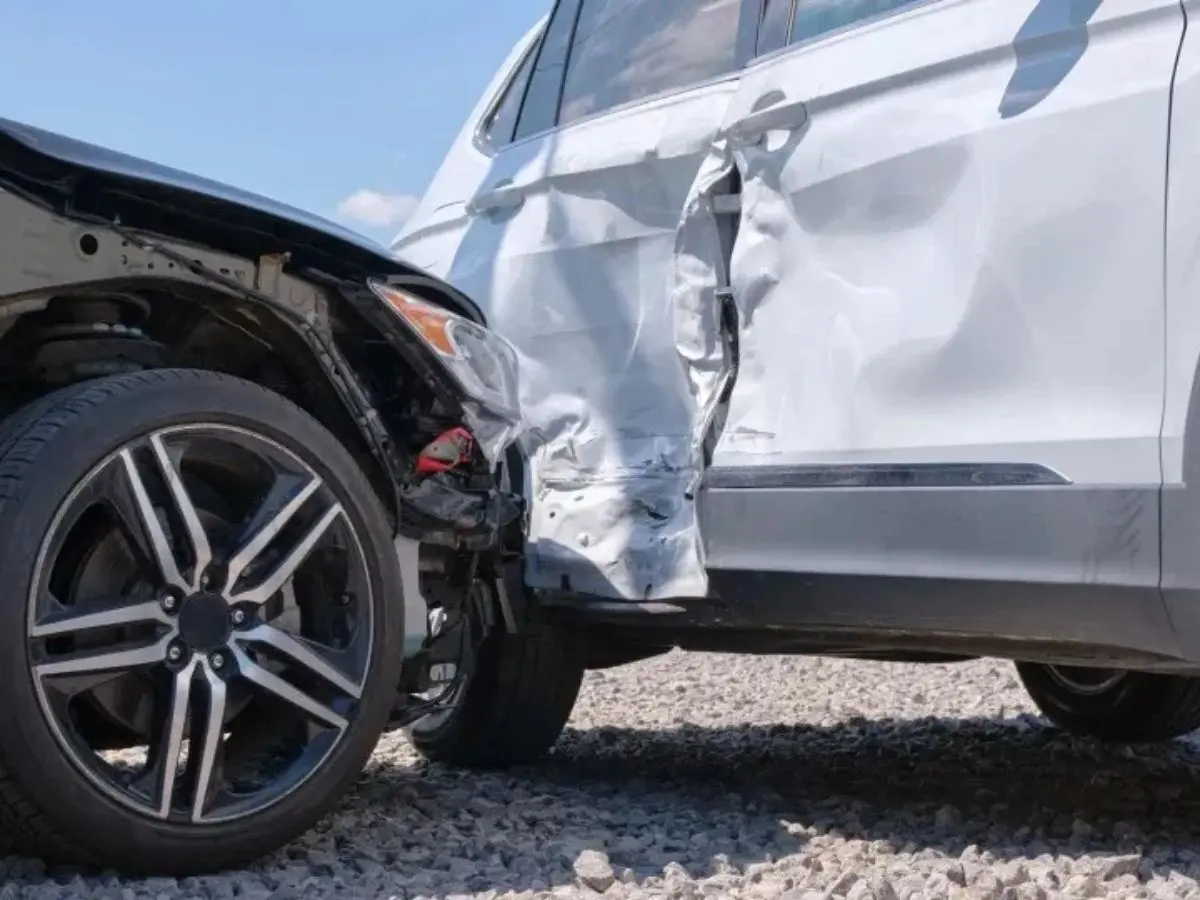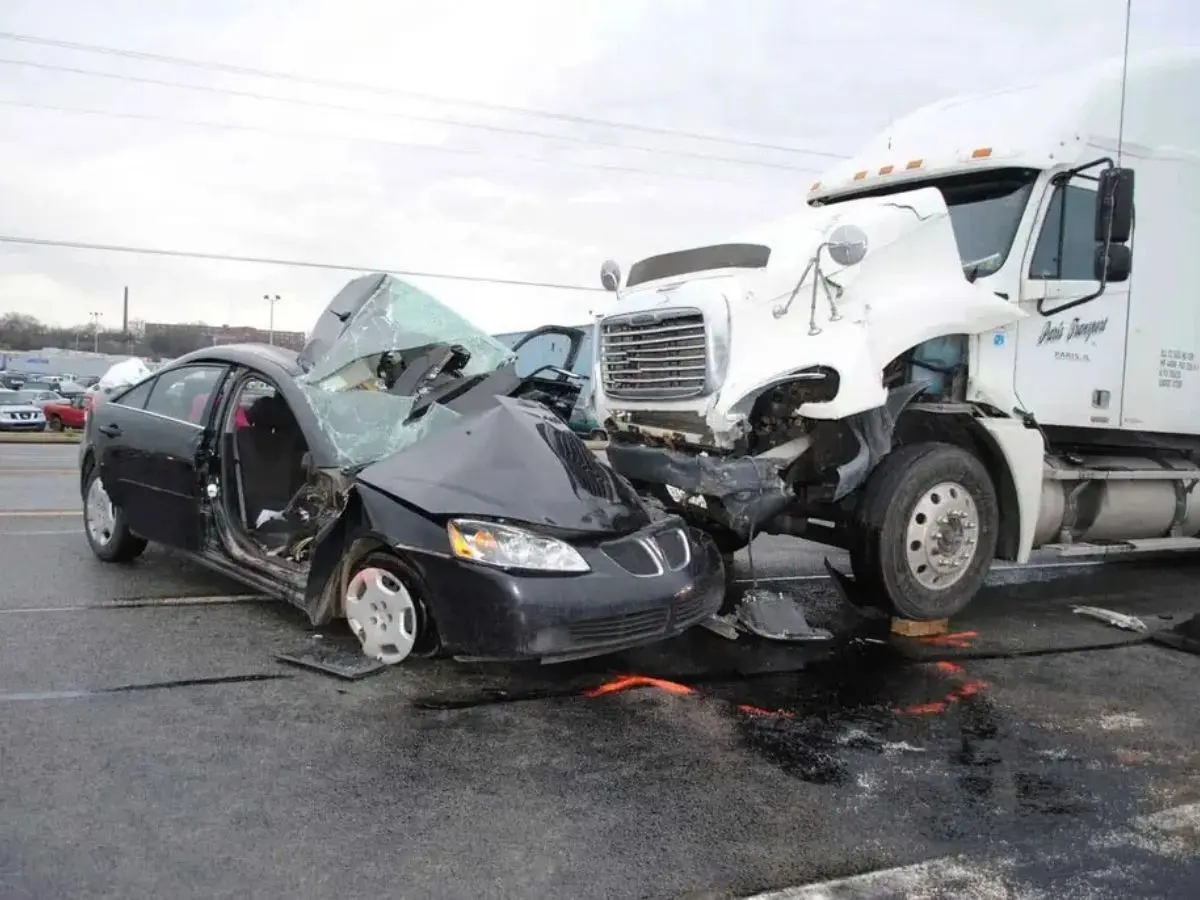

In a no-fault state, the at-fault driver’s property damage liability insurance pays for car damage. Your own personal injury protection (PIP) covers your medical bills, regardless of who caused the crash.
So if you’re asking “no fault accident who pays,” the answer splits in two: injuries follow no-fault rules, but vehicle repairs still follow fault. Your collision coverage or a lawsuit with Dallas Personal Injury Lawyers can fill the gaps.
Who Pays for Damages in a No-Fault State?
When people ask who pays for damages in a nofault state, the short answer is the driver who caused the crash. No-fault rules only apply to injuries.
Property damage still follows fault-based rules, so the at-fault driver’s property damage liability coverage pays for the other vehicle’s repair or replacement. PIP never covers vehicle repairs.
In a typical rear-end collision, for example, the rear driver’s insurer usually pays. Disputes over fault do happen, and they’re usually settled with photos, police reports, and witness statements.
You generally have three ways to get your car fixed.
Using Your Comprehensive Coverage
Filing with your own insurer is often the fastest route. Collision coverage pays for crash damage to your car regardless of fault, minus your deductible.
Comprehensive coverage handles non-crash losses such as:
- Theft
- Fire
- Flooding
- Hail
- Vandalism
- Broken windshields
Both are optional under most state laws, but lenders and leasing companies usually require them on financed cars. This route makes sense when you want repairs started quickly instead of waiting on the other driver’s insurer.
You Use the At-Fault Driver’s Auto Insurance Policy
If another motorist caused the crash, you can file a property damage claim against their insurer. The liability portion of their policy typically covers your repair costs, towing fees, and sometimes rental car charges.
Drivers in no-fault states are still legally required to carry property damage liability insurance for this reason. This option is especially useful when:
- You lack collision coverage
- Your deductible is too high to justify a claim
- The damage exceeds your own policy limits
Strong evidence of the other driver’s fault, gathered with help from a Personal Injury Lawyer in Plano, makes the claim much harder to deny.
A Lawsuit Determines Who Pays
Sometimes the insurer denies your claim, disputes who was at fault, or offers too little. In that case, a lawsuit lets a court decide who pays in a no fault accident involving property damage.
Litigation can establish the other driver’s responsibility and recover repair costs, towing, rental expenses, and diminished value. If the damages exceed the at-fault driver’s policy limits, they may have to pay the difference out of pocket.
Deadlines matter here. In Kansas, for example, the statute of limitations for property damage claims is generally two years, so don’t wait too long to act.
What Is a No-Fault State?
A no-fault state requires drivers to carry personal injury protection (PIP), which pays their own medical expenses and lost wages after a crash, no matter who caused it. Kansas is one example.
The system aims to speed up claims and ease the burden on courts. The trade-off is that you usually can’t sue the other driver for pain and suffering unless your injuries meet a serious injury threshold, such as permanent disability or scarring.
Drivers also tend to pay higher premiums for the extra PIP coverage. Still, “no-fault” never means nobody pays for the car.
How No-Fault Insurance Works
No-fault insurance splits every claim into two tracks.
The Injury Track
You file with your own insurer, and PIP pays reasonable medical bills, lost income, and even funeral expenses up to your policy limit.
The Property Track
Fault still decides the outcome. Insurers like Progressive confirm that the at-fault driver’s insurance usually pays for vehicle repairs.
That’s why the answer to any accident no fault who pays question depends on what was damaged. PIP won’t touch your bumper, so fault determination through police reports, photos, and witness statements remains essential.
Differences Between At-Fault States and No-Fault States
The biggest difference is who pays for injuries.
At-Fault States
In at-fault (tort) states, the driver who caused the crash pays for everything: medical bills, lost wages, and property damage through bodily injury and property damage liability coverage.
New Mexico and Ohio follow this model, and if you’re wondering is Texas a no fault state for car accidents, it does too. Claims often involve longer investigations and negotiations, but victims can sue more freely.
No-Fault States
PIP covers your own injuries, and lawsuits require crossing an injury threshold.
Property damage, however, works almost the same in both systems. So who pays for car damage in a no fault state? Usually the at-fault driver, just like elsewhere.
What to Do After a No-Fault Accident to Protect Your Rights
What you do in the first few hours shapes how your claim plays out.
- Seek medical attention right away, even if symptoms aren’t obvious.
- Document the scene with photos and notes.
- Call the police for a report.
- Exchange contact and insurance policy details with the other driver.
- Keep every medical bill and repair estimate in one place to preserve evidence.
If the insurer stalls, denies the claim, or disputes fault, a personal injury attorney can sort out the nofault accident who pays question and protect your right to full compensation.
FAQs:
Which States Are No-Fault States?
12 states have no-fault car insurance laws, and the other 38 states plus Washington, D.C. use an at-fault system. The no-fault states are Florida, Hawaii, Kansas, Kentucky, Massachusetts, Michigan, Minnesota, New York, North Dakota, Utah, New Jersey, and Pennsylvania.
Kentucky, New Jersey, and Pennsylvania are “choice” no-fault states, which means drivers there can opt out and choose tort insurance instead.
Does PIP Pay for Damage to My Car?
No. PIP covers medical costs, lost wages, and other financial losses up to your policy limit. Vehicle damage is usually left out of the no-fault system, so it goes through your collision or comprehensive coverage, or through the other driver’s liability insurance.
Do I Pay a Deductible if the Other Driver Hit Me?
Usually not, if you file a third-party claim. When someone else caused the damage and you claim against their insurance, you don’t pay a deductible.
If you use your own collision coverage instead, you pay your deductible upfront. You can then try to recover it from the at-fault driver’s insurer.
Is Michigan Different for Car Damage?
Yes, Michigan is the main exception. Its mini tort law lets you recover up to $3,000 for vehicle damage from the driver who caused the crash. To qualify, you must be 50% or less at fault, and the $3,000 cap applies to accidents after July 1, 2020.
What if the At-Fault Driver Has No Insurance?
Your own coverage becomes your safety net. Uninsured and underinsured motorist coverage acts as a substitute for, or a supplement to, the other driver’s liability coverage.
If you also carry collision coverage, your insurer can pay for repairs while you pursue the uninsured driver directly.
Is Texas a No-Fault State?
No. Texas is an “add-on” state. Drivers can add optional PIP coverage to an at-fault policy, alongside Arkansas, Delaware, Maryland, Oregon, and others. In add-on states, a driver who wasn’t at fault can sue the at-fault driver without meeting a monetary or verbal threshold.
Do No-Fault States Still Require Property Damage Liability Coverage?
Yes. Every no-fault state requires property damage liability coverage. All of them except Florida also require bodily injury coverage. This mandatory property damage liability coverage is why the at-fault driver’s insurer still pays for your car repairs.