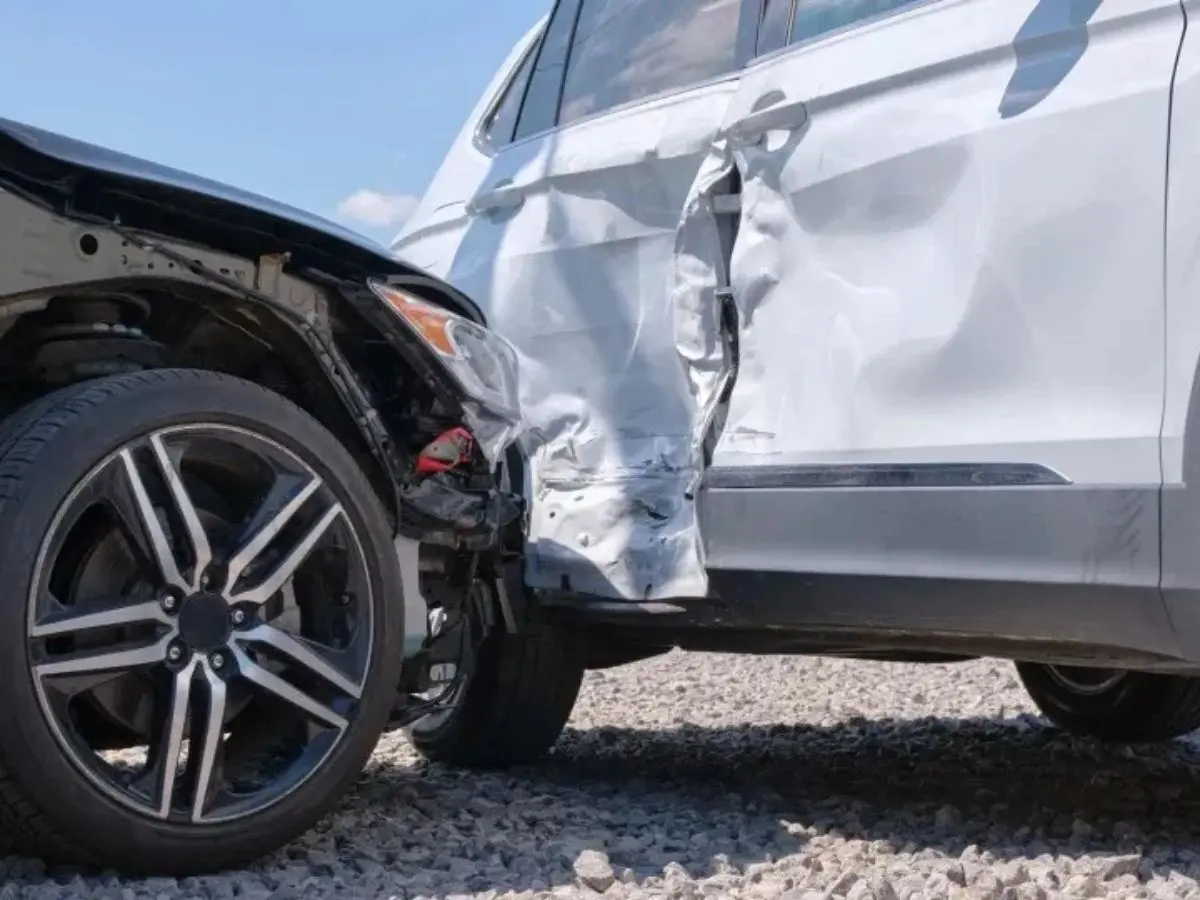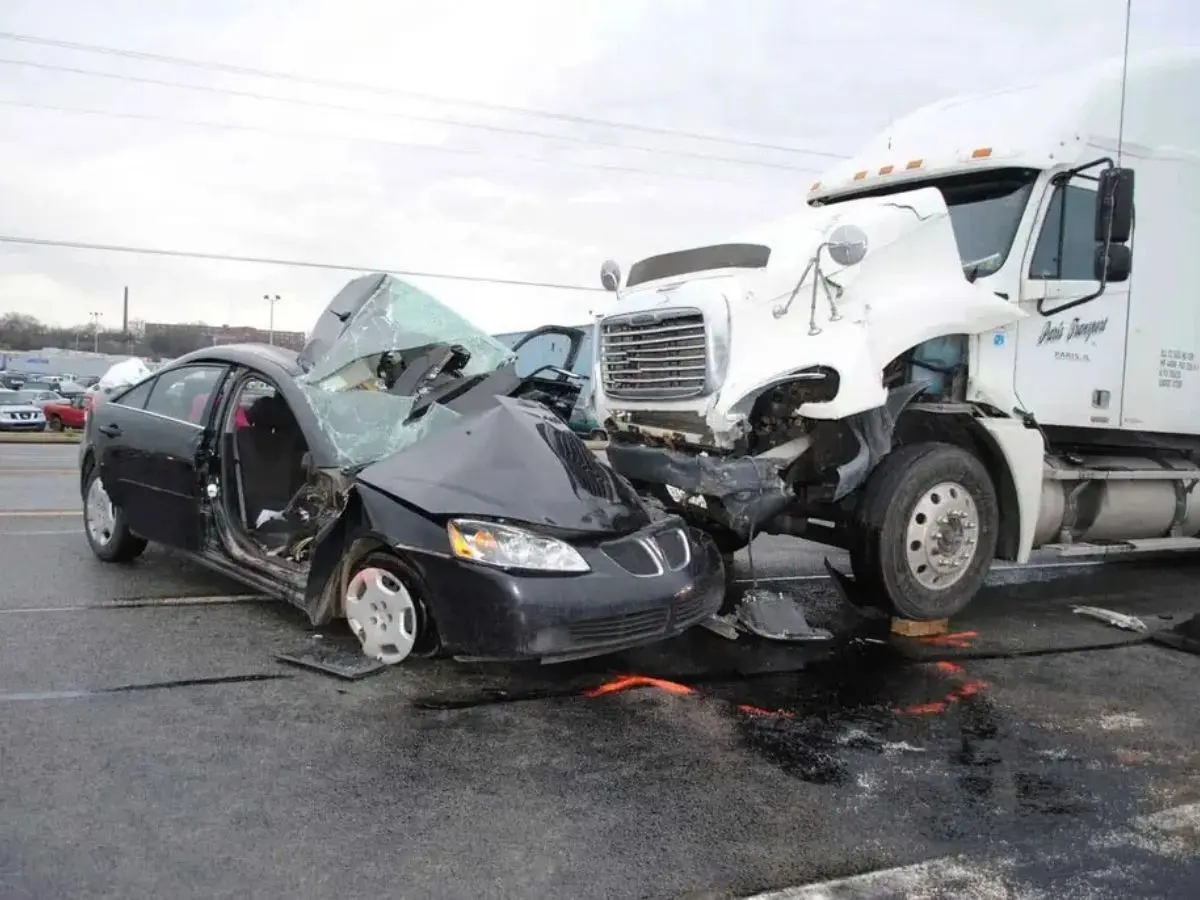

No, Texas is not a no-fault state. Texas uses an at-fault, or tort, system.
The driver who causes a crash and their liability insurer pay for the other party’s medical bills, lost wages, and property damage.
If you’re asking “is Texas a no fault state for car accidents?”, the answer is no. Here’s how the rules actually work, and when a Dallas Car Accident Lawyer can help.
No, Texas Is Not a No-Fault State
Is Texas a no fault state for auto accidents? No. Texas at-fault accident laws make the driver who caused the crash financially responsible for the harm.
The rules on shared blame come from Chapter 33 of the Texas Civil Practice and Remedies Code.
How a Claim Works in Practice
- You file a claim with the at-fault driver’s liability insurer.
- You give a statement and send documents like medical bills and repair estimates.
If you carry collision coverage, you can claim through your own insurer instead. Your insurer then recovers its payout from the other driver’s company through subrogation.
No-Fault vs. Fault-Based Insurance
What does no fault insurance mean? In a no-fault state, your own insurance company pays your medical bills and lost wages after a crash, regardless of fault.
Drivers usually must carry Personal Injury Protection (PIP).
You can only sue the other driver if your injury crosses a serious injury threshold, such as permanent impairment, significant disfigurement, or death.
How Texas Is Different
A fault-based state like Texas works the other way. You claim against the at-fault driver’s insurer and can seek full compensation, including pain and suffering.
That’s true whether your injuries are minor or severe.
Texas’ Modified Comparative Fault Rule
Texas doesn’t always put a crash on one driver.
Under its modified comparative fault rule, also called proportionate responsibility, a judge, jury, or insurance adjuster assigns each party a percentage of fault. Your compensation is then reduced by your share.
Example: Say your damages total $100,000 and you’re found 30% at fault for speeding. You’d recover $70,000.
The other driver may argue you contributed to the crash just to shrink what their insurer owes. That’s why strong evidence, and often a Dallas Personal Injury Lawyer, matters.
What Is the 51% Rule?
The 51% rule is the cutoff inside Texas’ comparative fault system.
- 51% or more responsible: you can’t recover anything from the other driver.
- 50% or less responsible: you still collect, minus your share of fault.
For example, a driver who is 20% at fault with $10,000 in damages gets $8,000. At 51% at fault, that same driver gets nothing.
How It Affects Passengers
The rule also applies to injured passengers. A passenger who skipped their seatbelt may see a reduced payout.
Passengers can also claim against multiple drivers based on each driver’s share of fault.
Minimum Auto Insurance Requirements in Texas
If you’re asking “is Texas a no fault state?”, the insurance rules settle it. Texas requires liability coverage that pays other people when you cause a crash.
The minimum is called 30/60/25:
- $30,000 for bodily injury per person
- $60,000 for bodily injury per accident
- $25,000 for property damage
Liability insurance doesn’t cover your own injuries or car. For your car, you’d add optional collision coverage, which pays repairs based on the vehicle’s cash value.
Serious crashes often exceed the minimums, so many drivers buy higher limits.
PIP Coverage
PIP is the closest thing Texas has to no-fault coverage.
It pays medical expenses, lost wages, and replacement services such as household help for you and your passengers, regardless of who caused the crash.
Insurers must offer at least $2,500 in PIP, and you can raise it to $10,000. You can decline it, but only in writing.
Why People Get Confused
That required offer is why people ask, “is Texas a no fault insurance state?” It isn’t.
The confusion comes from mistaking this optional coverage for Texas no fault insurance, when it’s just an add-on within an at-fault system.
Uninsured/Underinsured Motorist Coverage
Not every Texas driver carries enough insurance.
Uninsured/underinsured motorist (UM/UIM) coverage protects you when the at-fault driver has no insurance, too little insurance, or leaves the scene in a hit-and-run. It has two parts:
- UM/UIM bodily injury covers medical bills, lost wages, and pain and suffering.
- UM/UIM property damage covers your vehicle.
Like PIP, insurers must offer it, and you can only waive it in writing.
To use it, report the crash to your insurer promptly. Be ready to file a Notice of Claim and a Proof of Loss statement.
Determining Fault in Texas Car Accidents
Is Texas an at fault state? Yes, which means proving who caused the crash decides who pays.
Every driver owes a duty of care to drive safely and follow traffic laws. Speeding, distracted or drunk driving, and failure to yield all break that duty and count as negligence.
Evidence Used to Prove Fault
Insurers, judges, and juries weigh evidence such as:
- the police report
- witness statements
- scene photos
- traffic camera and dashcam footage
- skid marks
- expert accident reconstruction
The stronger your evidence, the harder it is for the other side to shift blame onto you.
Types of Damages Recoverable in Texas Car Accident Cases
Anyone expecting a Texas no-fault state setup may be surprised by how much the at-fault system lets you recover.
Economic Damages
These cover measurable losses. They include past and future medical bills, lost wages, reduced earning capacity, property damage, and home or vehicle changes needed for a disability.
Non-Economic Damages
These cover pain and suffering, mental anguish, scarring, disfigurement, and loss of consortium.
Exemplary (Punitive) Damages
These are rare. They apply only in cases of gross negligence or intentional harm, because they punish the driver rather than repay you.
Texas Statute of Limitations for Car Accident Claims
Texas gives you two years from the date of the accident to file a lawsuit for personal injuries or property damage.
If you miss this statute of limitations, you generally lose the right to sue, however strong your case is. Some exceptions can change the deadline, so check your situation early.
Why the Deadline Helps You
Insurers know an unresolved claim can turn into a lawsuit, which gives you leverage during negotiations.
Knowing what to do after a car accident in Texas and acting quickly also preserves evidence and witness memories before they fade.