
Why Knowing What to Do After a Car Accident Can Protect Your Rights and Recovery
Here’s what to do after a car accident legally in Texas: stay at the scene, check for injuries, call 911, exchange information, document everything, see a doctor, and notify your insurer.
Texas Transportation Code Chapter 550 requires you to stop and report crashes involving injury, death, or more than $1,000 in property damage.
Each step protects your health, your police report, your insurance claim, and your right to fair compensation, which a Dallas Car Accident Lawyer can defend.
Immediate Steps After a Car Accident in Texas
Knowing what to do immediately after a car accident keeps a stressful moment from turning into a costly one. Adrenaline and the fight-or-flight response make it hard to think clearly, whether it’s a minor fender-bender or a serious collision.
Driving off is not an option. Leaving a crash where someone is hurt can be treated as a hit-and-run offense, with fines, license suspension, or jail time.
Here’s what to expect after a car crash, and the steps Dallas Personal Injury Lawyers recommend to protect your legal rights.
Ensure Safety and Call for Help
If your car is drivable, move it to the shoulder and switch on your hazard lights.
Check yourself first, then your passengers. Pay close attention to children, who may not say they’re hurt. Next, check on the other driver.
Don’t move anyone who is seriously injured unless there’s immediate danger, such as a fire, because moving someone with a spinal injury can cause permanent harm.
Call 911 if:
- Anyone is hurt
- Vehicles are blocking traffic
- You suspect the other driver is under the influence
Report the Accident to Authorities
Under Texas Transportation Code §550.026, you must immediately notify law enforcement if a car accident causes injury, death, or damage that makes a vehicle unsafe to drive.
If Police Respond
Record the officer’s name, badge number, and crash report number. You can later request the official CR-3 accident report through TxDOT’s Crash Records Information System (CRIS).
If Police Don’t Investigate
Document the accident yourself. Take photos, exchange contact and insurance information, and collect witness details. Notify your insurance company and keep copies of all records. Texas no longer requires drivers to submit the CR-2 (Blue Form) to TxDOT.
Exchange Information with Other Drivers
Swap details with every driver involved:
- Full name
- Phone number
- Driver’s license number
- License plate number
- Insurance company and policy number
Note each vehicle’s make, model, and color, and the VIN if you can reach it. The quickest way to avoid mistakes is to photograph the other driver’s license and insurance card.
Give accurate information yourself, and say so if you don’t own the car you were driving.
Also ask witnesses for their names and phone numbers, because an independent account can settle a fault dispute later.
Document the Accident Scene
Evidence disappears fast, so use your phone before the cars are moved.
What to Photograph
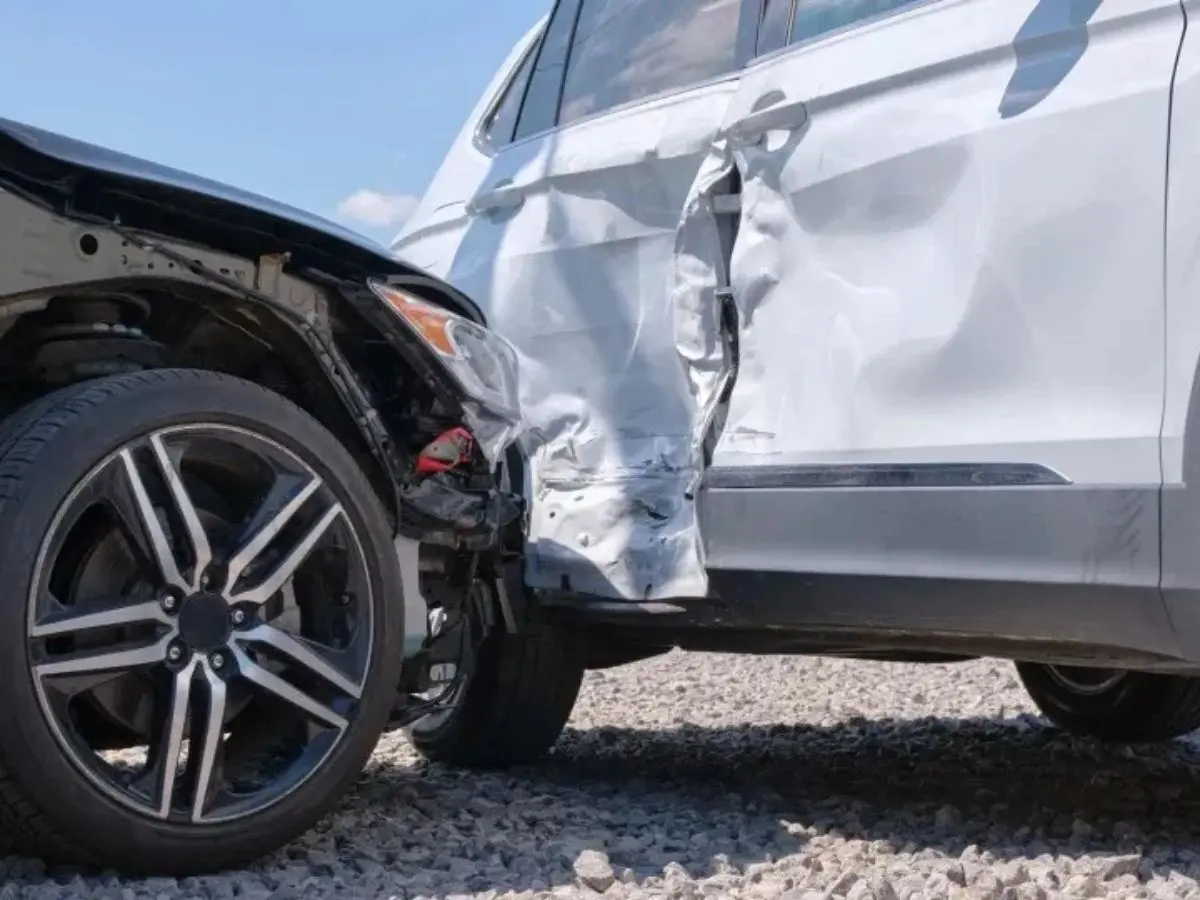
- The damage to every vehicle from multiple angles
- The wider scene: where the vehicles ended up, the lanes, traffic signals, and street signs
- Skid marks, debris, and weather or road conditions such as rain or potholes
Look for nearby businesses whose security cameras may have recorded the crash.
Finally, write down how it happened while the details are fresh, because your memory and witnesses’ memories will fade.
Never Admit Fault
Stay calm and polite, but don’t apologize. Insurance adjusters can treat even a simple “I’m sorry” as an admission of fault.
Stick to the facts with police and other drivers, and don’t get drawn into arguments.
Why This Matters in Texas
Texas uses a modified comparative negligence rule. Your compensation is reduced by your percentage of fault, and if you’re found 51% or more at fault, you recover nothing.
Turn down any cash the other driver offers at the scene, because a proper insurance claim protects you better.
Seek Medical Attention
See a doctor even if you feel fine. Adrenaline can mask pain, and injuries like whiplash, concussions, and internal bleeding often don’t show symptoms until 24 to 48 hours later.
Getting checked quickly creates a medical record that links your injuries to the crash. Follow every treatment plan, because insurers use gaps in treatment to argue you weren’t badly hurt.
Keep Records Of:
- Doctor visits
- X-rays or MRIs
- Physical therapy
- Prescriptions
- Missed workdays
These records support your claim for medical bills and lost wages.
Contact Your Insurance Company
Calling your insurer is part of what to do in case of an auto accident. Do it within 24 hours if you can, even if the other driver caused the crash.
Texas Is a Fault-Based State
The at-fault driver’s liability insurance pays for damages. State minimums are $30,000 per person, $60,000 per accident, and $25,000 for property damage.
Share only facts, and avoid giving a recorded statement to the other driver’s insurer.
If they’re uninsured, your uninsured/underinsured motorist (UM/UIM) coverage can help. If your car needs repairs, check whether your policy includes rental reimbursement.
How Long Do I Have to File a Claim for an Injury in Texas?
You generally have two years from the date of the accident to file a personal injury lawsuit in Texas. The same two-year statute of limitations applies to property damage claims.
Insurance claims have no fixed deadline, but you should file them right away.
Why You Shouldn’t Wait
Waiting only hurts you: evidence disappears, witness memories fade, and building a strong case takes time.
That’s why what to do following a car accident includes talking to an attorney early, so evidence is preserved and no deadline is missed.
When to Consider Legal Help
Many minor crashes are settled through insurance alone, but part of knowing what to do after a car accident legally is recognizing when you need an attorney.
Talk to a Lawyer If:
- You suffered serious injuries
- Fault is disputed
- The other driver was uninsured or fled in a hit-and-run
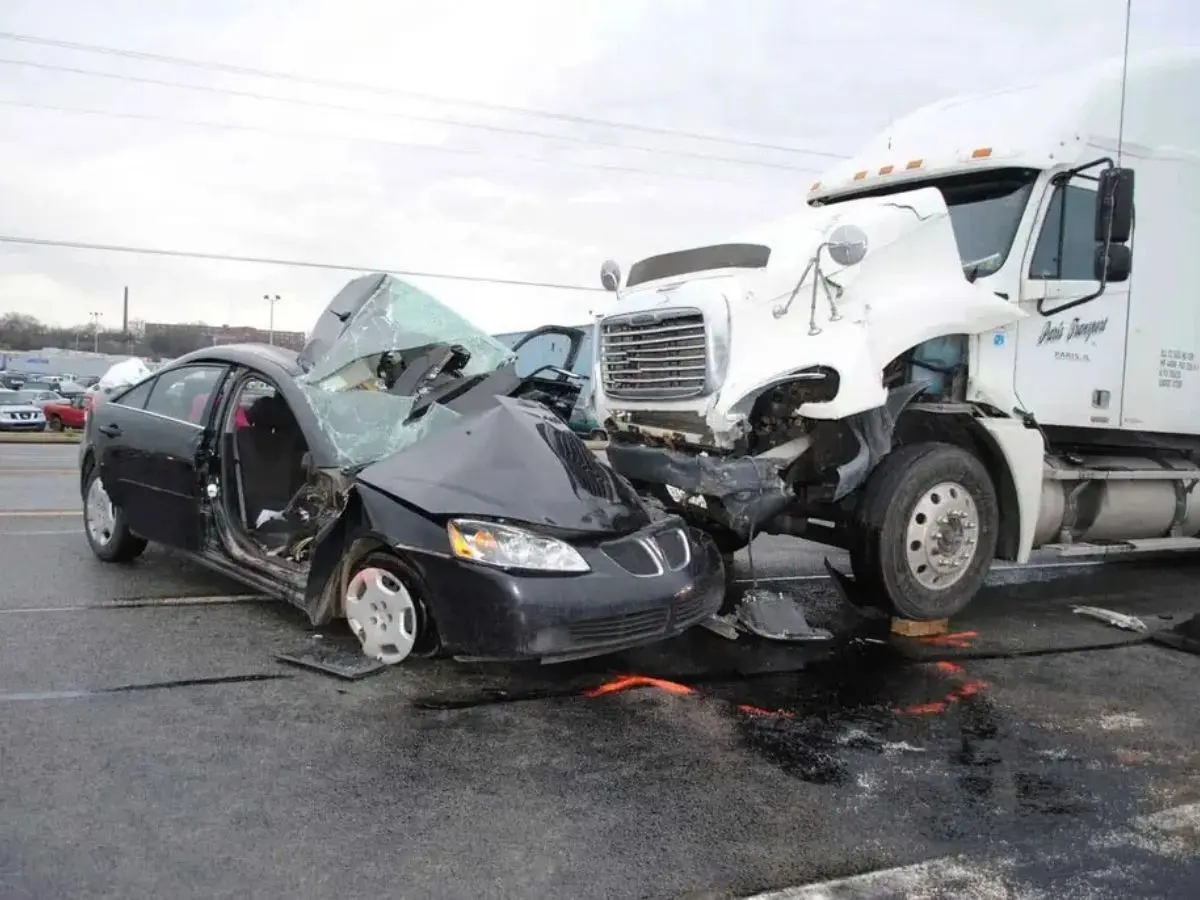
- A commercial truck was involved
Insurer Tactics to Watch For
Watch for insurer tactics such as lowball settlement offers, pressure to give recorded statements, and early releases that waive future claims.
For anyone working out what to do after a car accident in Texas, a free consultation can protect your right to fair compensation and answer “how much is my car accident case worth in Texas?”
Frequently Asked Questions
Is Texas a no-fault state for car accidents?
No. Texas uses an “at-fault” or “tort” system, so the driver who causes the crash, and their insurer, pays the other parties’ damages. Texas insurers must offer Personal Injury Protection (PIP) coverage, but drivers can reject it in writing, so check your policy.
Can I move my car after an accident in Texas?
Yes, if it’s safe. Texas follows a “steer it and clear it” approach to prevent secondary crashes. If your car still runs after a minor highway crash, you’re expected to drive it to the shoulder or a nearby parking lot instead of leaving it in a busy lane.
Do I have to call the police after a minor accident in Texas?
You must report any crash involving injury, death, or more than $1,000 in property damage. If you’re unsure how much the damage will cost, contact police anyway, because an official report can help your insurance claim later.
Should I post about my car accident on social media?
No. Insurance adjusters or opposing attorneys can misread even innocent photos or updates as proof your injuries aren’t serious. Until your case is resolved, don’t post about the accident, your recovery, or your daily activities.
Will my insurance rates go up if the accident wasn’t my fault?
If you’re not at fault, your rates are less likely to increase. If your insurer pays your claim, it may seek repayment from the at-fault driver’s insurer through subrogation, and if that succeeds, you may get your deductible back.
How much does a car accident lawyer cost in Texas?
Most Texas car accident lawyers work on contingency, so you pay nothing unless they recover money for you. Initial consultations are often free, so you can get answers without committing to full representation.